The idea of revamping Production Unit (PU) in the Education Sector in Zambia comes in a wake of the concerns from the public noting the rise in costs of education provision on one hand, and the skills of valuing productivity among the learners on the other hand, which is among the aim of education provision. The poor PU performance over the years has shown a mismatch to the expectations of the public. This state of affair has brought attention to the Ministry of Education.
Therefore, the Ministry of Education took this concern seriously and developed the Production Unit Implementation Strategy. The purpose of this document is to provide guidelines on the management and implementation of Production Units in education. The ultimate objective is to enhance productivity, resourcefulness and value addition skills and competences among human resource at various levels of Education delivery.
Our Agricultural Initiatives
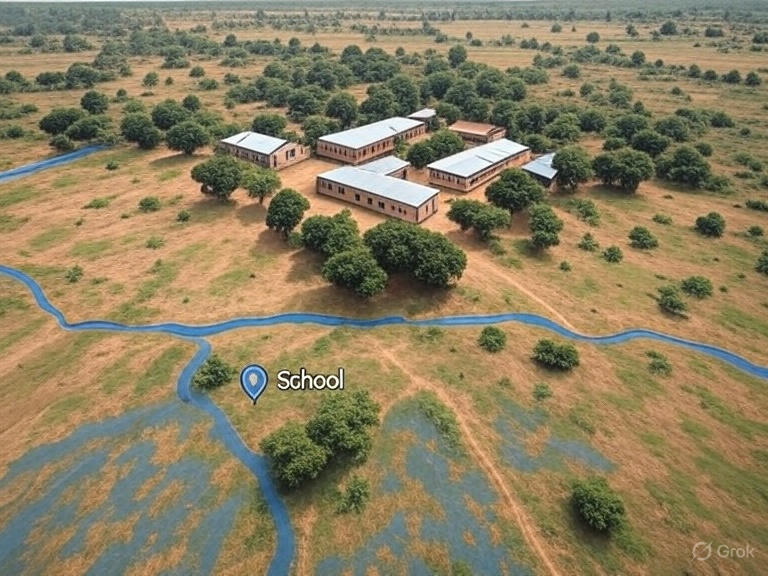
School & Location
Track school details including name, province, district, contact information, student numbers, and GPS coordinates to support agricultural programs.
Image Prompt: Aerial view of a Zambian school surrounded by agricultural fields, showcasing its location and infrastructure.
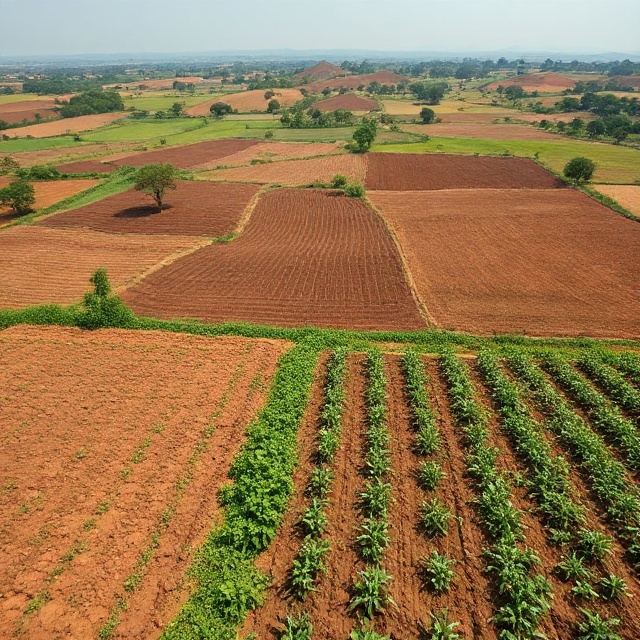
Land & Geography
Assess land size, cultivated area, soil types (clay, sandy, loamy), and topography to optimize agricultural planning.
Image Prompt: Fertile farmland with diverse soil types and varied topography in Zambia, showing plowed fields and crops.
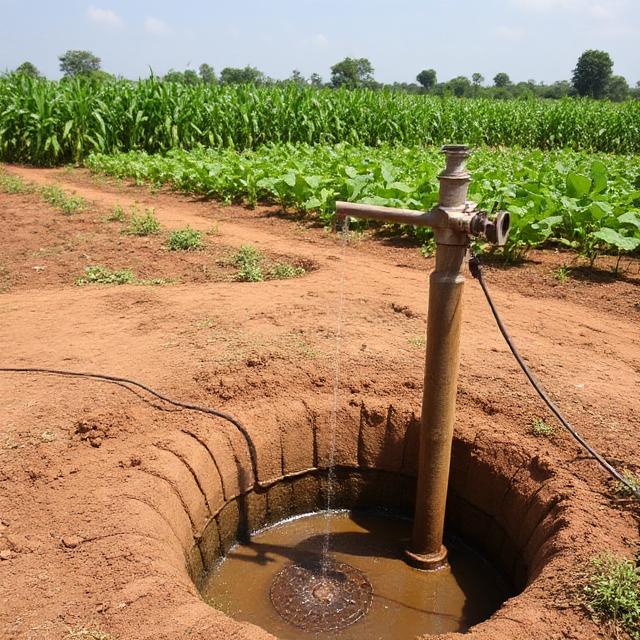
Water Resources
Manage water sources (boreholes, rivers, rainwater) and irrigation systems to ensure sustainable crop production.
Image Prompt: A borehole or drip irrigation system in a Zambian school farm, with lush crops in the background.
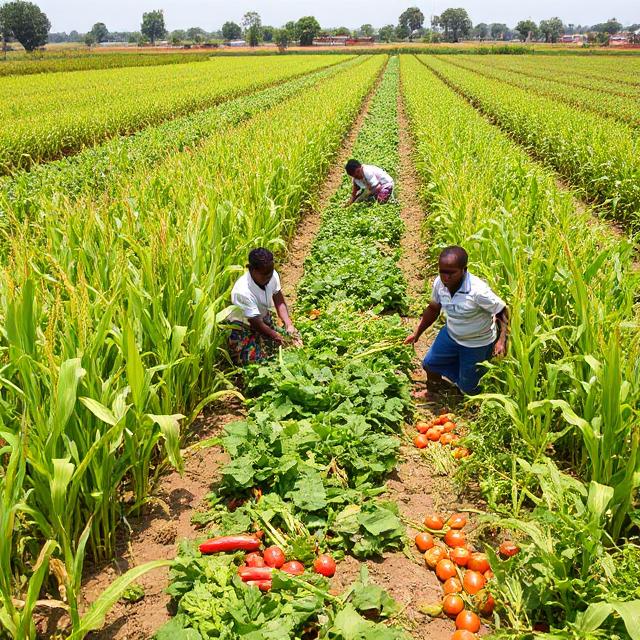
Crop Production
Monitor crops like maize, beans, and vegetables, along with planting seasons and yields, using traditional or smart farming methods.
Image Prompt: Vibrant fields of maize and vegetables being harvested by students in a school farm.
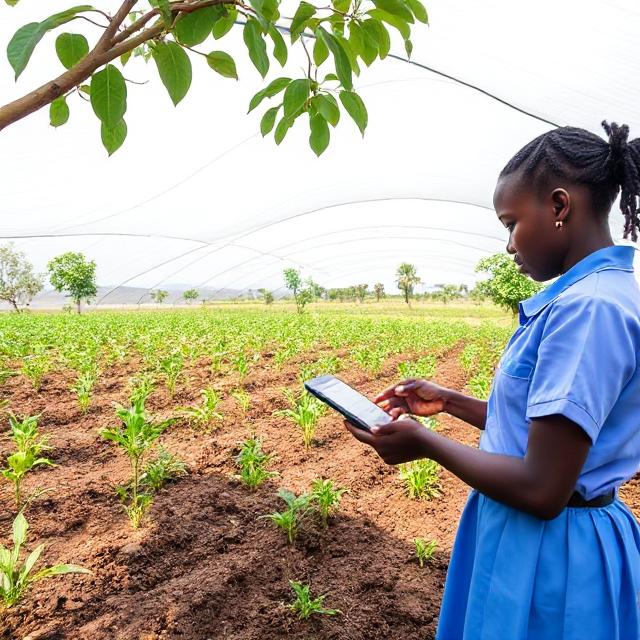
Infrastructure & Technology
Leverage electricity, internet, and smart technologies like sensors and drones to enhance agricultural efficiency.
Image Prompt: A school farm with solar panels and a drone monitoring crops in a modern setup.
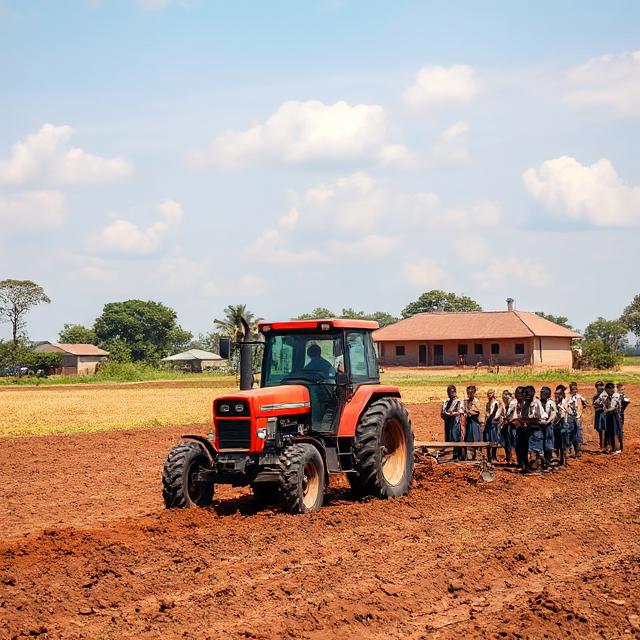
Equipment & Resources
Utilize tractors, plows, storage facilities, and budget planning to support active farmers and school farms.
Image Prompt: A tractor plowing a field near a school with storage silos in the background.
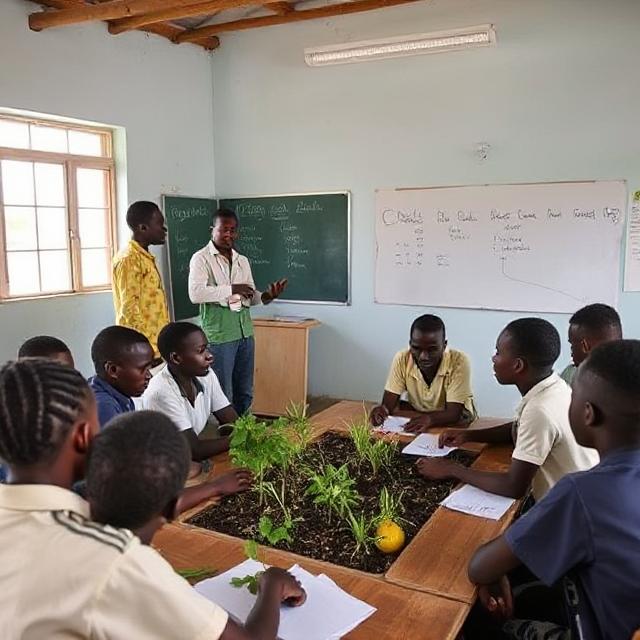
Knowledge & Training
Provide training in smart agriculture, irrigation, and financial literacy to empower students and farmers.
Image Prompt: A group of students in a classroom learning about smart agriculture with a trainer.
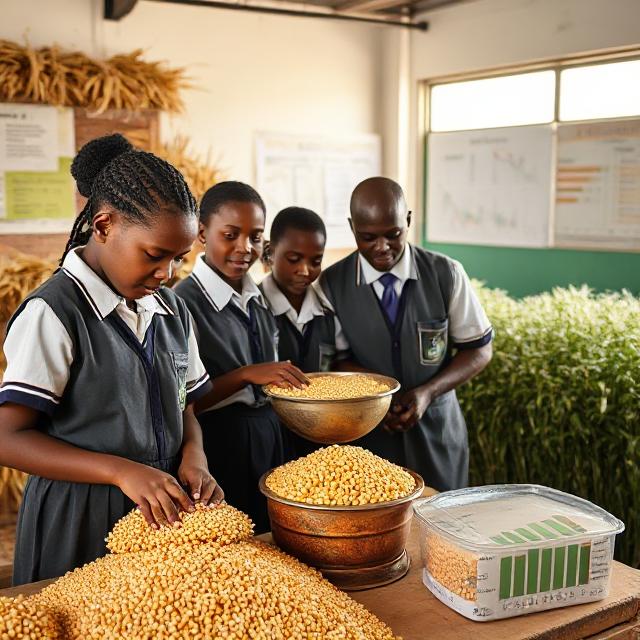
Production & Economics
Track harvests, revenue, and challenges like water scarcity or pests to improve economic outcomes.
Image Prompt: Farmers weighing harvested crops at a school market, with charts showing revenue.
Management & Governance
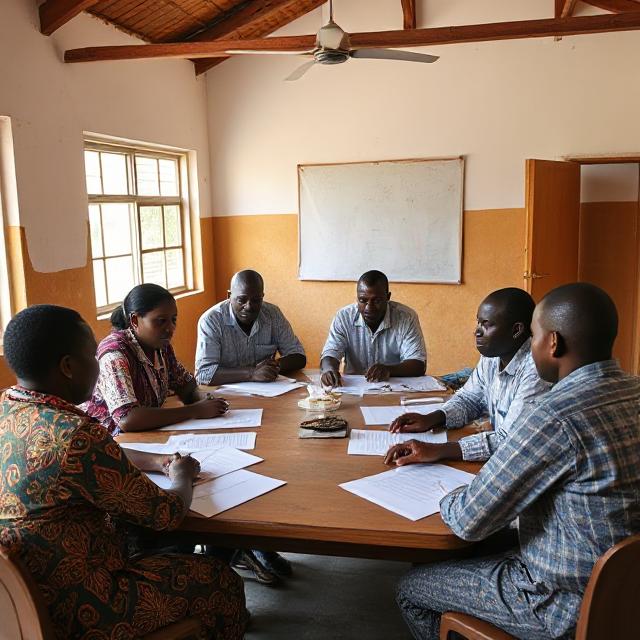
Establish committee structures and regular meetings to ensure effective farm management.
Image Prompt: A group of school committee members discussing farm plans in a meeting room.
Additional Ventures
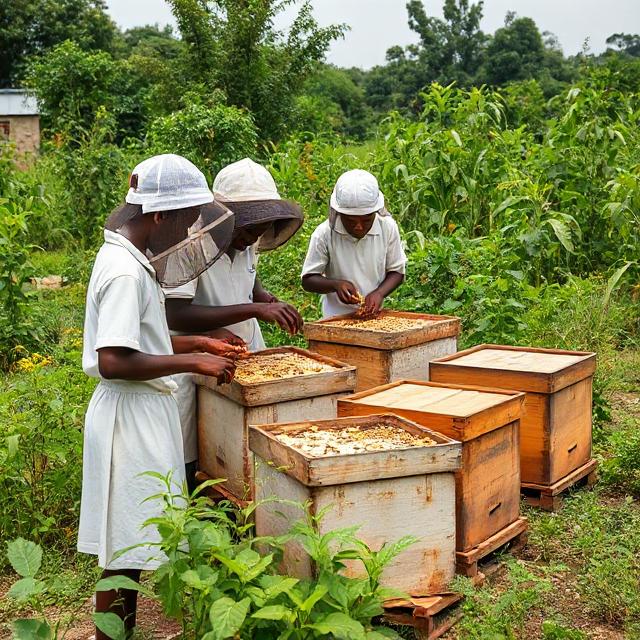
Explore ventures like beekeeping, poultry, or fish farming to diversify school income sources.
Image Prompt: A school beekeeping project with students tending to beehives in a garden.
Partnerships & Support
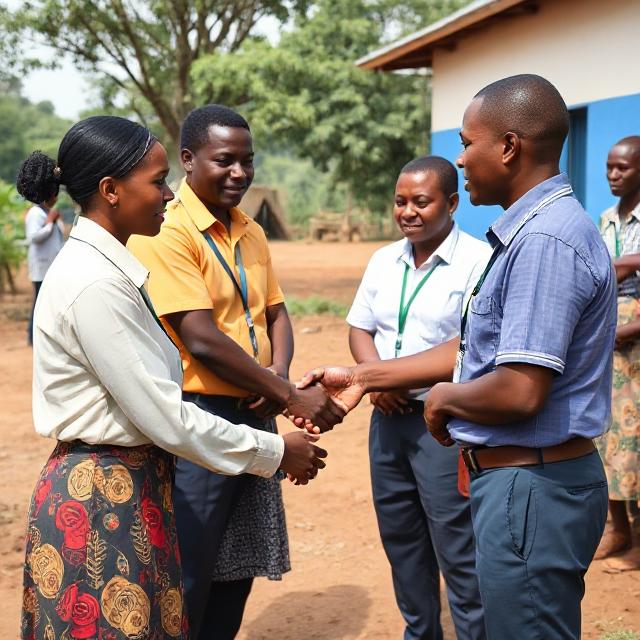
Collaborate with government, NGOs, and other partners to secure funding and support for school farms.
Image Prompt: A handshake between school staff and NGO representatives at a farm project launch.
Sustainability & Strategy
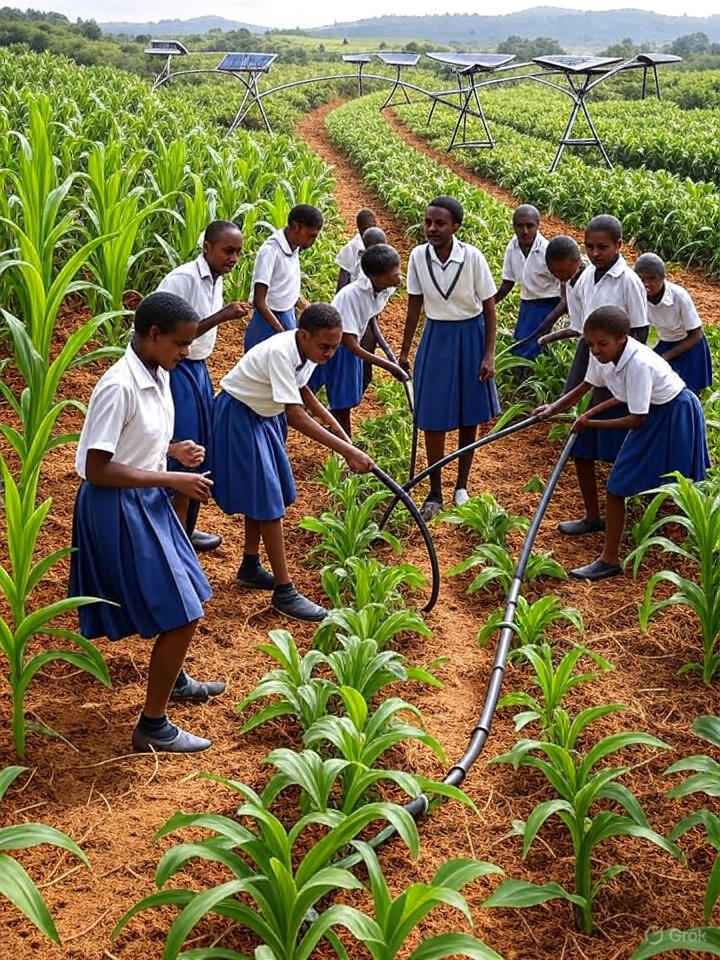
Implement crop rotation, water conservation, and smart agriculture to ensure long-term sustainability.
Image Prompt: A school farm with agroforestry and solar-powered irrigation systems in action.